Railway branding in Bangladesh is on the rise, and for good reason. We have a rich railway network that has carried goods and people across regions for decades. In 2015, Bangladesh Railway transported around 65 million passengers, covering approximately 8,135 million passenger-kilometers (Wikipedia). This mix of long-haul and short-distance journeys offers a massive potential audience for brands that want sustained visibility. As more businesses look for innovative ways to connect with everyday consumers, a well-executed train advertisement can spark conversations and help you win loyal buyers. Below, we will explore how railway ads work, why they are so effective, and how you can integrate them into your broader branding strategy.
Why railway branding matters
Branding on trains and in stations highlights your message to hundreds (sometimes thousands) of commuters each day. We see this not only in Bangladesh but also across neighboring markets like India, where Indian Railways transports 30 million people daily (LinkedIn). On a local scale, that same principle of constant exposure exists throughout our own rail system. People often spend extended time waiting on platforms, looking at schedules, or traveling inside compartments. That extra idle time can be channeled to your advantage.
Advertisers in Bangladesh commonly rely on billboards, posters, and static signage for short-distance train routes. However, modern technology is making it easier to place digital screens, LED displays, or interactive visuals. This upgrade makes for more vibrant storytelling and real-time updates, such as rotating campaigns or daily countdowns to a special event. We believe that when your ads shift and catch fresh attention, it amplifies the recall factor in your audience.
Railway branding in Bangladesh also boosts geographic coverage. Trains do not just pass through big cities; they connect smaller communities and rural areas, letting your message transcend regional boundaries. Commuters in one district may share stories of your ad with friends or family in another district, fueling word-of-mouth momentum. Done right, railway branding can help your campaigns become a conversation piece that spreads around the country.
Integrating Trains into Your Strategy
Railway branding isn’t a lone tactic. Instead, blend it with bus wraps, station posters, and digital billboards for a new, easy, and safe campaign. That mix keeps your brand top of mind—rain or shine, city or countryside.
Suggestion: For added reach, pair your train ads with a hashtag campaign. Commuters sharing photos can turn your moving billboard into a viral sensation!
Railway branding turns every journey into a chance to grow your audience. Ready to ride this wave? 👉 Contact Ad Hub Bangladesh today and make tracks toward unforgettable visibility!
Sources
Ask ChatGPT
Bangladesh’s railway landscape
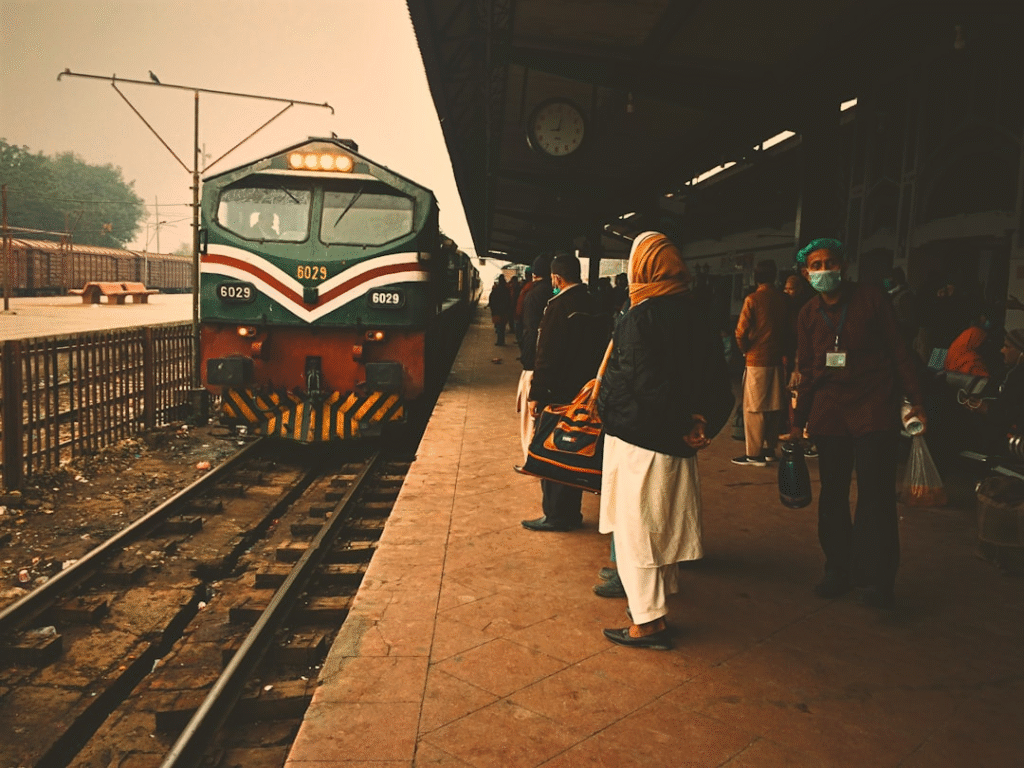
Bangladesh Railway is a government-operated organization with a history dating back to the British colonial period. While there are technically two registered railway companies in the country (Wikipedia), Bangladesh Railway is responsible for most passenger and freight operations. In 2020, it employed roughly 25,083 people, showcasing the scale of manpower involved in keeping this network running smoothly (Wikipedia).
Our rail system is still expanding. High-profile projects like the Padma Multipurpose Bridge will further integrate the network, potentially increasing GDP by 1.2% once it is fully operational (Alstom). By bridging the southern parts of the country more efficiently with the rest, the project is expected to foster higher passenger volume. That translates into new places for you to place your ads and increased daily impressions for your brand.
Meanwhile, the railway also covers commuter routes with local or shuttle trains. These are short-distance services that carry people for work or errands, sometimes multiple times a day. This high frequency of travel also leads to repetitive exposure. When passengers see your advertisement every morning commute, your brand transitions from being just an ad into a daily companion.
Effective branding strategies
A well-planned railway branding campaign starts with aligning your message to the specific station or train environment. We recommend taking time to observe the typical passenger flow and their average dwell time. When people queue up for tickets or wait for scheduled departures, they are likely to notice prominent branding like:
- Train wraps
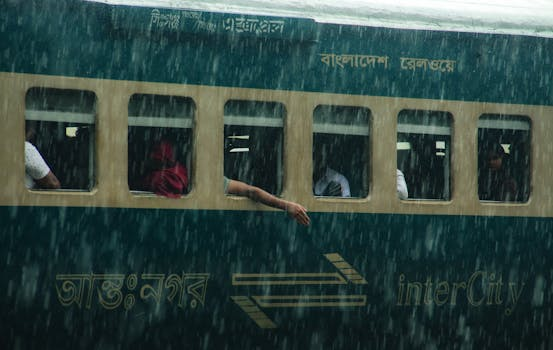
- Wrapping an entire train can turn it into a rolling billboard. Full-color visuals cover the exterior, ensuring your brand gains visibility in multiple cities or stations. In Bangladesh, this approach is already popular for metro lines, but it can also be adapted to inter-city and local trains. Branded train wraps can be particularly memorable, because they create an immersive experience as the train passes by.
- Station naming rights
- This is a premium option for companies aiming for long-term recognition. In metro systems, having your brand’s name linked to a station is a powerful approach. Locals end up naming your brand every time they mention the station. Although it is relatively new in Bangladesh’s railway space, some urban stations offer partial or full naming rights, giving your brand a distinct edge.
- Digital displays and LED panels
- With the rise of digital screens, it is now easier to run rotating campaigns and dynamic visuals on platforms or inside compartments. These can range from LED banners on the station platform, to screens inside trains that display short promotional videos. Quick, attention-grabbing animations can break the monotony of waiting for a train.
- Sponsored tickets and smart cards
- An everyday essential for rail travelers is the train ticket. Offering sponsored branding on tickets (including digital formats where feasible) makes your brand an integral part of daily commutes. Repeated exposure to your logo and tagline fosters familiarity, which can be helpful for loyalty campaigns or special promotions.
When building a railway branding plan, we suggest mixing these approaches. A multi-channel method, where you overlay station digital ads with train wraps and ticket sponsorship, can substantially boost brand presence. For instance, the wide coverage of vehicle branding in Bangladesh can pair perfectly with your railway ads, ensuring your campaign covers trains, buses, or even personal vehicles.
Combining analytics and creativity
To ensure that your campaign resonates, we recommend using data to guide creative decisions. For instance, it helps to understand peak travel hours, typical commuter profiles, and which types of visuals have generated the strongest recall in the past. We see railway advertising as both an art and a science. By combining strategic data with imaginative design, you can craft a message that stands out among the usual station clutter.
Some potential data points include:
- The time passengers typically spend on the platform, which can be 15 to 30 minutes before departure in busier stations.
- The ratio of long-distance to short-distance travelers, since they have different attention spans for in-train ads.
- Commuter segmentation by age, profession, or reason for travel (business, leisure, family visits).
Installing sensors or cameras (where permitted) and conducting surveys on-site can help you gather real-time insights. Over time, you can optimize your messaging: if you see more students and younger professionals, you might focus on pop-culture references or digital engagement. If you cater to a business audience, highlight direct benefits, discounts, or professional solutions.
Keep in mind that data-driven marketing also involves performance tracking. We encourage you to record brand awareness metrics—maybe through online search volume, coupon redemption, or direct feedback from local customers. If you notice a surge in queries or foot traffic after a new station ad goes live, that is a strong indication of success.
Integrating with other media
Railway stations do not exist in isolation. Many passengers arrive by bus or private vehicles, and they might want to stop at shops or offices once they leave the train. This is where synergy with other outlets truly matters. For instance, your message could follow the consumer’s journey by appearing on a commuter bus or in a nearby store. You can expand the reach by combining outlet branding in Bangladesh or service-based advertising in Bangladesh with your railway presence. When travelers see a consistent brand message across multiple physical touchpoints, it reinforces brand loyalty and recall.
Among the best practices we have observed:
- Use consistent motifs or color schemes in station ads, bus wraps, and store signage.
- Offer cross-channel discounts (e.g., show your train ticket at a local store to unlock a promotion).
- Coordinate timing and design so that passersby instantly recognize your brand, regardless of which channel wins their attention first.
We believe an integrated approach ensures that your investment in railway advertising does not stand alone. Instead, it becomes one arm of a broader marketing strategy that can drive conversions on multiple fronts. You provide a cohesive brand experience from the moment a commuter boards the train, to when they step into your store or visit your e-commerce site.
Key benefits for brands
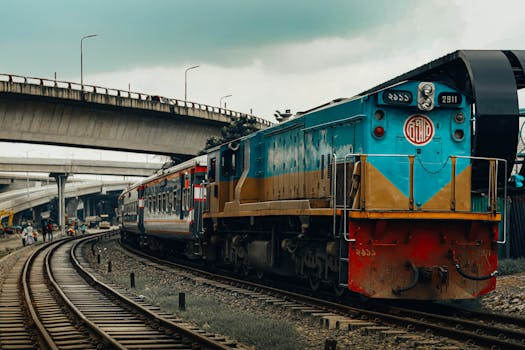
One key advantage of railway branding in Bangladesh is repeat exposure. Passengers might take the same route every day or week, so they see your ad multiple times. This repeated interaction fosters trust. According to one study on Indian Railways, 83% of users travel short distances (LinkedIn), which means they often depend on trains as a routine part of life. That routine presence can transform an ad into a trusted companion over time.
Another benefit is high visibility among diverse demographic groups. For instance, families might be traveling between suburbs, while traders and office workers might head to Dhaka for business. Because the railway spans various socio-economic segments, your brand can tap into multiple consumer bases simultaneously. This diversity broadens the brand’s appeal and potential customer base.
Additionally, it is a comparatively uncluttered environment. While billboards fill up city skylines, station and train ads can be more striking if the creative concept is well-designed. People see them up close, walk past them, or stand in front of them while waiting for a train to arrive. As a result, the average dwell time is higher. This can create a deeper impact, especially for messages that need a bit more reading or explanation.
Challenges and considerations
Despite its powerful advantages, railway branding also presents unique challenges. First, stations can be crowded, especially during peak hours. That means your ads should cut through the visual noise but also withstand potential wear and tear or vandalism. When you design your station or train wraps, consider protective coatings, bold color palettes, and top-quality printing techniques so the ad remains clear after months of exposure.
Second, you must secure the right permissions. Advertising on government property can involve extra approvals or fees. Depending on the station or train route, you might need to navigate complex administrative channels. To avoid unplanned delays, we recommend starting the permission process early and having a dedicated liaison who understands the local rules.
Third, measuring return on investment (ROI) in railway ads can be tricky because the environment is not as digitally trackable as online channels. Finding ways to quantify conversions—like using custom QR codes or special coupon codes—can help you measure impact more precisely. That data will be critical when you plan your next campaign or want to pitch the idea to senior leadership.
New developments to watch
Several upcoming trends will likely reshape railway branding in Bangladesh:
- Digitization of platforms
- We expect to see more large-format LED panels and interactive Kiosks that display rotating content. This not only adds variety but also opens doors for time-sensitive ads.
- Enhanced train fleets
- As of 2023, Indian Railways gifted 20 WDM-3D diesel locomotives to Bangladesh Railway (Wikipedia). New trains can come with built-in ad spaces designed for better passenger engagement. Spaces inside compartments or near doors might accommodate digital screens or content boards.
- Extra connectivity
- The Padma Bridge project is a big investment. Once launched, it will link more cities and stimulate trade. More trains will run over longer routes, which means you could reach travelers from multiple regions with a single integrated campaign.
- Sustainable branding options
- Eco-friendly materials, such as textile-based or recyclable vinyl, might become a standard. Passengers who care about greener practices will appreciate seeing your brand commit to sustainability.
We recommend keeping up with these developments to stay ahead of the curve. If you can move quickly—like acquiring station naming rights in a newly built station or being the first to adopt interactive train ads—you might earn a competitive edge in an evolving marketplace.
Wrap-up and next steps
Railway branding in Bangladesh offers a golden opportunity to reach a diverse, engaged audience that spans cities, provinces, and socio-economic levels. Each train is a rolling canvas that can showcase your offers, values, and brand story. In an era where digital ads fight for attention online, physical media like trains and stations can provide a complementary dimension that makes your campaign feel more tangible and memorable.
If you are already advertising on buses or exploring vehicle branding in Bangladesh, this is a logical extension that multiplies your presence across critical transit hubs. You can also merge your efforts with outlet branding in Bangladesh or service-based advertising in Bangladesh to create a seamless brand experience for consumers moving from the train station to shopping areas or service providers. Good news—this is easier than it sounds once you get a handle on the required approvals and the right messaging strategy.
Below, we have answered a few common questions about railway branding. We hope they help you refine your strategy and move forward with confidence.
Frequently asked questions
We see railway branding as a creative playground for Bangladeshi companies. By blending thoughtful design, accurate targeting, and a willingness to try new formats, you can reach a broad audience often underserved by typical city billboard campaigns. As our nation’s railway system continues to expand, we look forward to seeing more brands take advantage of this powerful medium.